Commercial fire alarm false alarms often start with steam, trades and dirty detectors. Find the causes and cut repeat call-outs, with QFE Technologies.
Commercial fire alarm false alarms are rarely random. Queensland Fire Department calls them unwanted alarms, and most come from a short list of causes that a building manager can track down and fix.
What Causes Commercial Fire Alarm False Alarms in the First Place?
Usually something that looks like smoke or heat reaches a detector, work goes on near one without protection, or the detector itself is dirty or damaged. Spotting the cause early matters, because every unwanted alarm interrupts work and repeated ones breed complacency towards genuine alarms. In commercial buildings the common culprits are:
- Cooking fumes and steam: Tea rooms and bathrooms sited close to detectors.
- Trades and cleaners: Dust, fumes and heat from sanding, welding or cleaning near a detector.
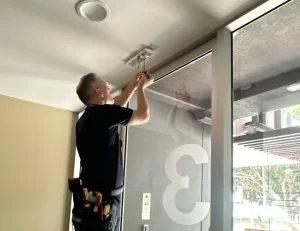
- Dirty or ageing detectors: Contamination can set a detector off, and failing units may need testing or replacement.
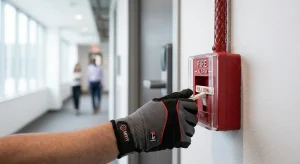
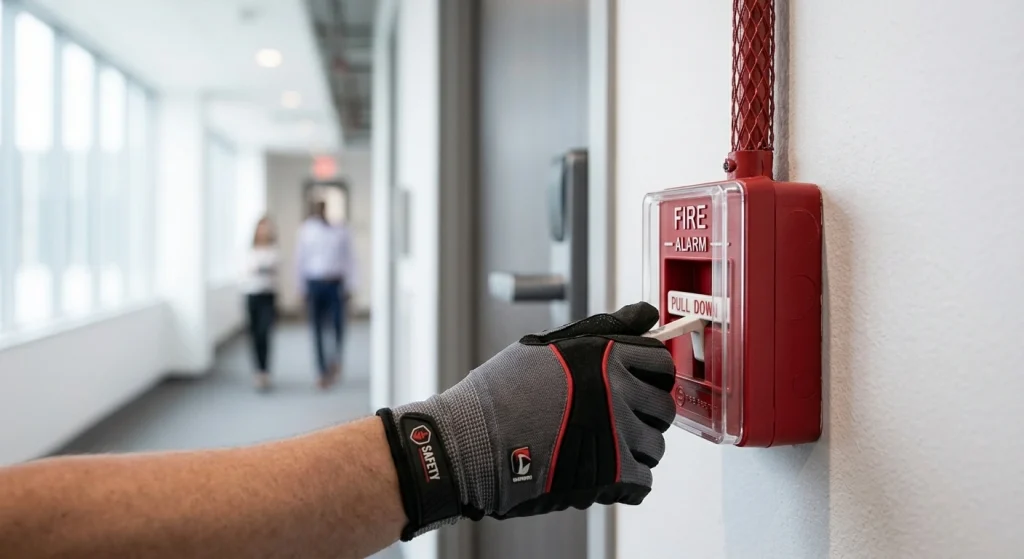
- Damaged call points: A cracked glass cover on a manual call point can trigger the alarm.
- Sprays and smoking: Aerosols and cigarettes used beneath a detector.
Find the Pattern Behind Repeat Alarms With an Activation Log
Keep a written log of every unwanted alarm. Record the date and time, the zone or device involved and what was happening nearby. The Queensland Fire Department recommends this because a log can expose repeat causes, such as occupant habits or a faulty component. Three entries from the same detector beside the same tea room tell you far more than any single call-out.
Share the log with your technician at each visit so it shapes the maintenance work. If the fire service has been called to a monitored system, do not reset or isolate the panel before they arrive.
Control Contractor Works and Protect Detectors Before Dust Is Created
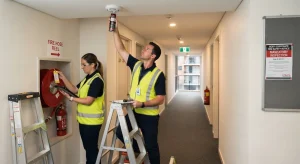
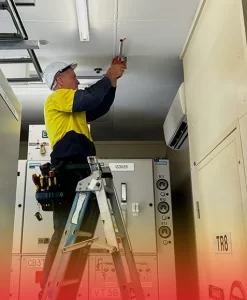
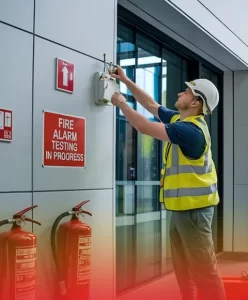
Before painting, sanding, welding or ceiling work begins, ask where the detectors are and what dust or fumes the job will produce. Then ask your fire alarm technician whether any detectors need protecting or isolating. Tell contractors in writing that works near detectors need sign-off first.
Every isolation has to be recorded and reversed, because an isolated detector is not protecting the building. When repeated activations point to worn equipment, our post on repairing, upgrading or replacing a faulty fire alarm explains how we weigh the options.
Know What Repeat Activations Cost and Arrange a System Check
Repeat commercial fire alarm false alarms in a monitored building add up quickly. Where the Queensland Fire Department monitors your system, the building owner is charged for attendance at unwanted alarms under the Alarm Monitoring Agreement. The 2026-27 charge is $1,556.79, and the Queensland Fire Department’s charging guidance says it does not endorse passing that cost to tenants or contractors unless they were reckless or negligent.
We are not a 24/7 call-out service, but where possible we give phone assistance for out-of-hours activations until we can attend.
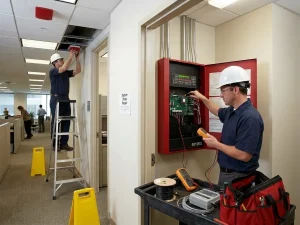
If commercial fire alarm false alarms keep recurring, contact us with your activation log and we can look at the detectors and conditions involved. Our fire system maintenance services include the testing and service reports that show what has been done.